Maira is originally from Villavicencio and decided to move to the other side of the country alone to pursue her dream of becoming a nurse. She lives alone in a25 July 2022
Read More

La historia de Maira
Maira es originaria de Villavicencio y decidió trasladarse sola al otro extremo del país para perseguir su sueño de convertirse en enfermera. Actualmente vive sola en un barrio vulnerable y25 July 2022
Read More
La historia de Emelis
Es la segunda de tres hermanos y actualmente vive en casa de sus abuelos en Santa Marta, adonde se trasladó para poder comenzar sus estudios técnicos en Contabilidad en la25 July 2022
Read MoreEmelis’s Story
She started studying a technical degree in accounting at the Corporación Bolivariana del Norte. She has her first semester with excellent academic results 4.7 over 5.0.
Read More
No es una letra, es un dato: Por que importa decir “niñas”
“Las niñas existimos” fue el nombre de la manifestación artística que un grupo de niñas hizo frente al ICBF, en medio de una polémica que parece de gramática: ¿Hay que25 July 2022
Read More
Respuesta de Emergencia para victimas del terremoto en Colombia – Octubre 2026
Debido a las consecuencias del terremoto, los cortes de energía generalizados y las fallas de conectividad retrasaron la evaluación de los daños. La mayoría de las comunidades de la región25 July 2022
Read MoreEmergency Response to Earthquake Victims – October 2026 Update
Due to the earthquake's aftermath, widespread power outages and connectivity failures slowed the damage assessment. Most communities in the region remain without electricity, the majority reported partial or total loss25 July 2022
Read More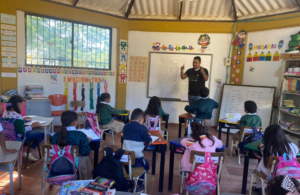
¿Qué revelan los resultados de PISA 2025 sobre la desigualdad en las oportunidades de aprendizaje de los niños?
Los resultados plantean claramente inquietudes sobre la eficacia con la que los sistemas educativos preparan a los jóvenes. Al mismo tiempo, al analizar más allá de los promedios generales, se25 July 2022
Read MoreWhat do the PISA 2025 results reveal about inequality in children’s opportunities to learn?
The PISA results clearly raise concerns about how well education systems are preparing young people. At the same time, looking beyond the overall averages shows that educational performance is not25 July 2022
Read More