Sexual harassment is a deep-rooted and systemic concern affecting children and young people around the world, including in Colombia.
It is the act of any unwanted, uninvited or unwelcome behaviours of a sexual nature. It can take many forms, including inappropriate comments, unwanted physical contact, sexual messages, the sharing of explicit images, or persistent requests for sexual content.
While sexual harassment can happen in person, it is increasingly occuring online through social media, messaging platforms, videogames and other online spaces. Children and young people are particularly vulnerable, as they may not always recognise harmful behaviour or know where to seek help. The effects can be long lasting, impacting mental health, self-esteem, education, and sense of safety. As more aspects of young people’s lives move online, understanding and addressing these risks has become increasingly important. Every child has the right to grow up free from abuse, exploitation, and fear, making the prevention of sexual harassment an important part of protecting children’s rights.
Colombia
While sexual harassment is a global issue, evidence suggests that children and young people in Colombia face significant risks, particularly in online spaces. UNICEF’s Disrupting Harm report, the country’s first comprehensive study of technology-facilitated child sexual exploitation and abuse, provides important insight into the scale and nature of these challenges. Check out the report here: ‘Disrupting Harm in Colombia’ report from Unicef and Interpol
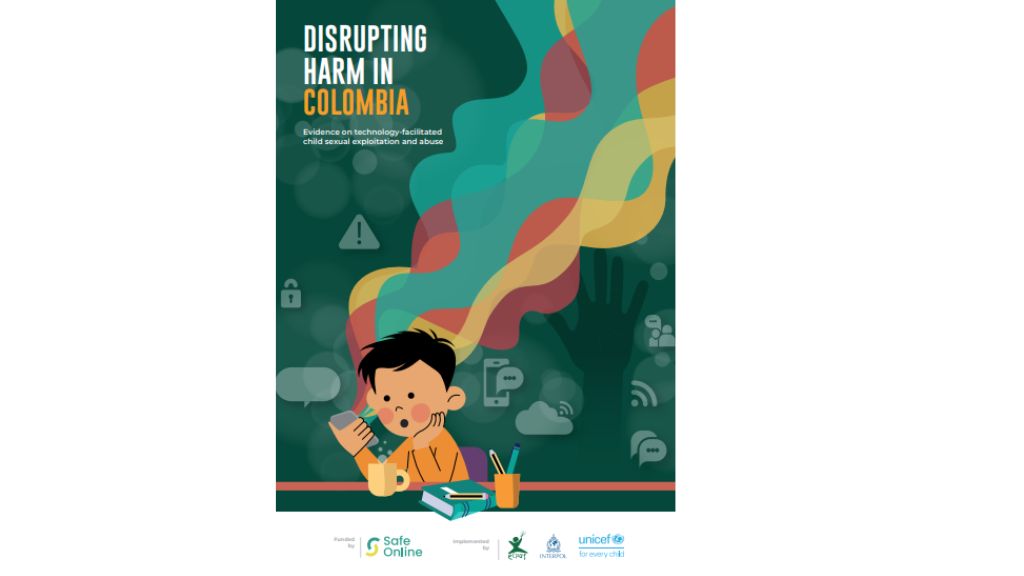
While sexual harassment is a global issue, evidence suggests that children and young people in Colombia face significant risks, particularly in online spaces. UNICEF’s Disrupting Harm report, the country’s first comprehensive study of technology-facilitated child sexual exploitation and abuse, provides important insight into the scale and nature of these challenges.
Experiences of online sexual exploitation and abuse
UNICEF’s Disrupting Harm report provides valuable insight into the experiences of children and adolescents navigating increasingly digital lives in Colombia. Over the course of a single year, 25% of girls aged 12–17 reported experiencing some form of online sexual abuse, and 17% reported in boys. The most commonly reported experiences included receiving unsolicited sexual content, being pressured or offered money or gifts in exchange for sexual images, and threats to share sexual images and videos without consent. The report also identifies grooming for sexual purposes, sexual extortion, and the creation and distribution of child sexual abuse material as key forms of online exploitation and abuse.
More recently, the emergence of artificial intelligence has introduced new risks, including the generation and circulation of AI-created sexual images or videos of minors. The report also highlights disparities in experiences between rural and urban communities, suggesting that access to support and protective resources may differ across contexts. Around 50% of these incidents occurred through social media platforms, particularly Facebook, while 15% took place on online gaming platforms.

Disclosure and reporting
The report challenges the common perception that online sexual abuse is primarily perpetrated by strangers. In reality, around half of all cases involved someone already known to the child, including cases involving family members. Only 20% of incidents involved a complete stranger. Despite the prevalence of these experiences, many children do not disclose what has happened to them. Fear, shame, stigma, and uncertainty about where to seek support remain significant barriers to reporting. Concerns about not being believed or facing negative consequences can also discourage children and adolescents from seeking help, leaving many cases hidden and unaddressed.
Impacts on children
The findings of Disrupting Harm highlight that online sexual exploitation and abuse can affect children’s mental health, self-esteem, educational attainment, and overall sense of safety and wellbeing. Feelings of anxiety, fear, embarrassment and isolation are common, underscoring the importance of prevention, education and accessible support systems. Equipping children and young people with the knowledge, tools and trusted networks needed to recognise harmful behaviours and seek help is essential to ensuring they can engage safely, confidently and meaningfully in digital spaces.
What Children Change Colombia are doing
Through our psychosocial programmes and local partnerships, we equip children and young people with the knowledge, confidence and support networks needed to recognise harmful behaviours, establish healthy boundaries, and seek help when needed. We implement projects in vulnerable neighbourhoods of Bogota, Santa Marta, Barranquilla and Cartagena supporting more than 600 children and their families.
Música Para La Paz
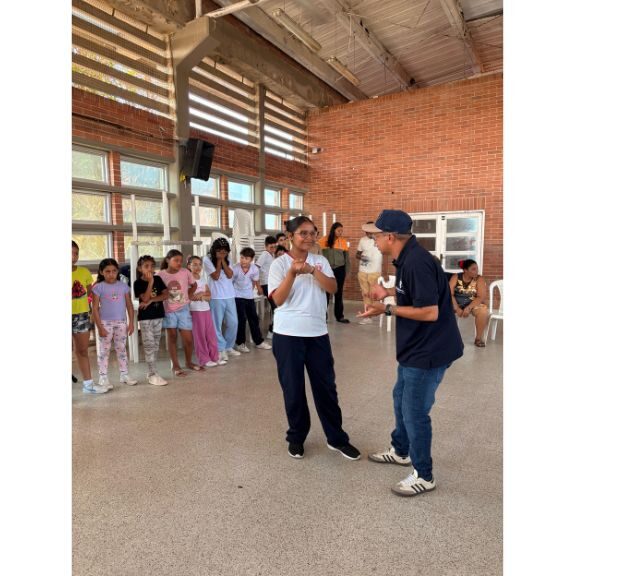
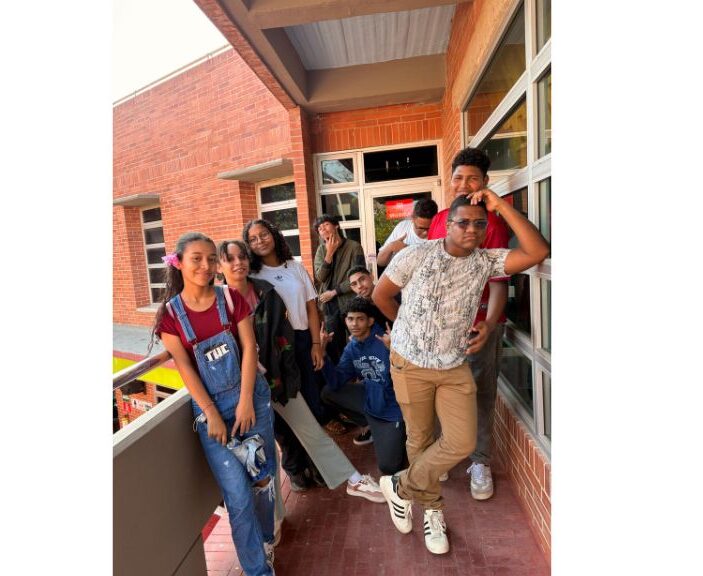
Through the psychosocial component of Música Para La Paz in Barranquilla, our team works to prevent gender-based and sexual violence, including the risks children and adolescents increasingly face in digital spaces. Sessions explore consent, body boundaries, emotional wellbeing, trusted relationships and reporting routes, recognising that online abuse often begins through manipulation, secrecy, pressure, gifts, shame or emotional dependence.
Children and adolescents participate in workshops on sexual and reproductive rights, grooming, coercion and digital protection. Through role play, group reflection and discussions around social media use, they learn to identify risks, understand their rights, and navigate online spaces more safely.
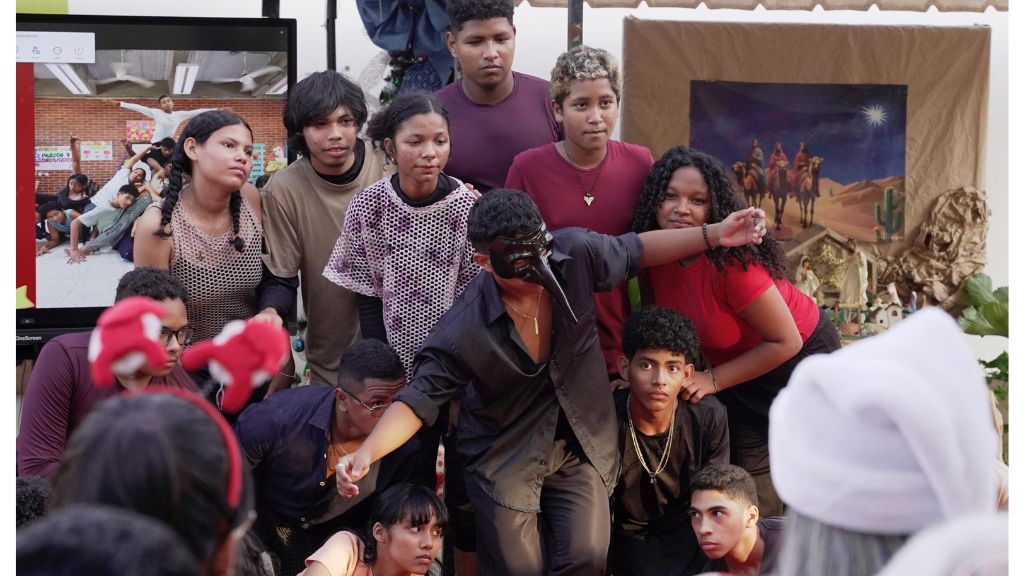
The Musica Para La Paz project showcasing a threatre production they created about overcoming violence. Read more about it in one of our previous blogs here.
Building resilience through psychosocial support
Emotional literacy activities, theatre and psychodramatic exercises help children recognise emotions such as fear, shame and confusion, practise setting boundaries, and develop the confidence to ask for help. Young people are also encouraged to become leaders within their communities, opening conversations around violence prevention, dignity and children’s rights, while teachers and project staff receive safeguarding training to strengthen protective environments.
One example of this approach is an activity known as Tragic Catharsis, designed to provide adolescents with a safe space to explore difficult emotions through artistic expression. Following a group discussion on self-harm, participants were invited to express themselves freely through music, art and creative materials. Through this process, many young people found new ways to express experiences and feelings that had previously remained unspoken, creating opportunities for reflection, peer support and continued psychosocial accompaniment.
Reflecting on his experience working with children and adolescents in Barranquilla, Psychosocial Professional explains:
“When you meet these children and young people, many of whom have endured intense blows in their lives and still stubbornly hold on to their smiles, it feels almost like a form of protest. They refuse to be extinguished, or to remain trapped in one painful chapter of their stories. In my daily work, I receive more smiles than tears.”
— Kevin Darío Staaden Garavito, Psychosocial Coordinator, Música Para La Paz
Why this matters
The findings from Disrupting Harm demonstrate that children and adolescents in Colombia face a range of risks as their lives become increasingly digital. However, they also highlight the importance of prevention, education and support. By working alongside communities, families and young people, Children Change Colombia is helping to create safer environments in which children can develop the confidence, skills and resilience needed to thrive both online and offline.
Written by Caitlin Yew, Programmes and Fundraising Intern
Bibliography
- https://safeonline.global/colombia-eng/ Disrupting Harm in Colombia
- https://assets.publishing.service.gov.uk/media/5a8005e7e5274a2e87db763a/ADR005000-Sexual_Harassment_Summary_Report.pdf Sexual harassment gov report
- https://www.childnet.com/what-we-do/our-projects/project-deshame/defining-online-sexual-harassment/ Childnet – defining online sexual harassment
- https://learning.nspcc.org.uk/child-abuse-and-neglect/child-sexual-abuse NSPCC – protecting children from sexual abuse