Adriana Diaz
Duty Officer

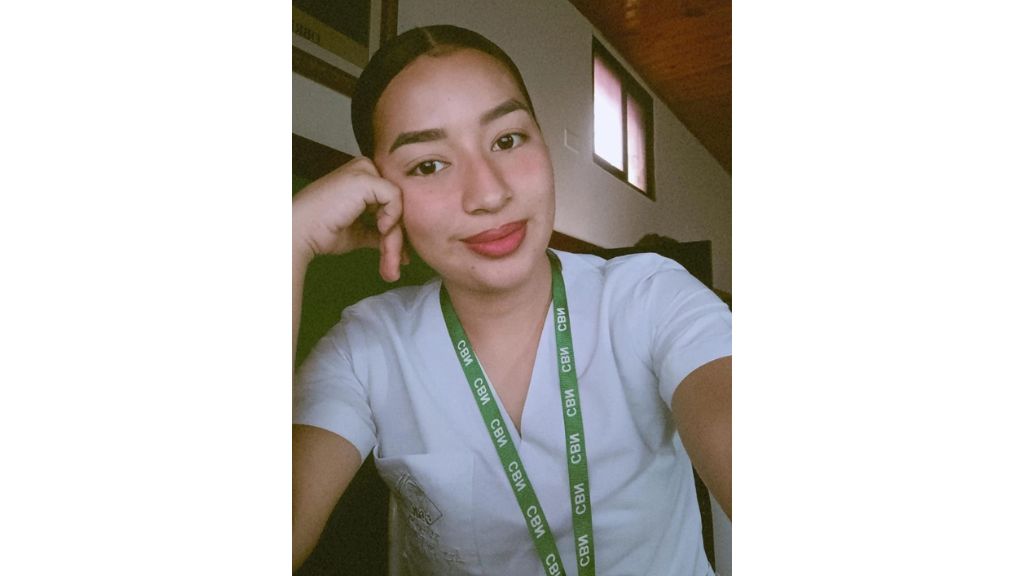
Maira is originally from Villavicencio and decided to move to the other side of the country alone to pursue her dream of becoming a nurse. She lives alone in a vulnerable neighbourhood and was working in a fast-food restaurant to help her to support her living expenses.
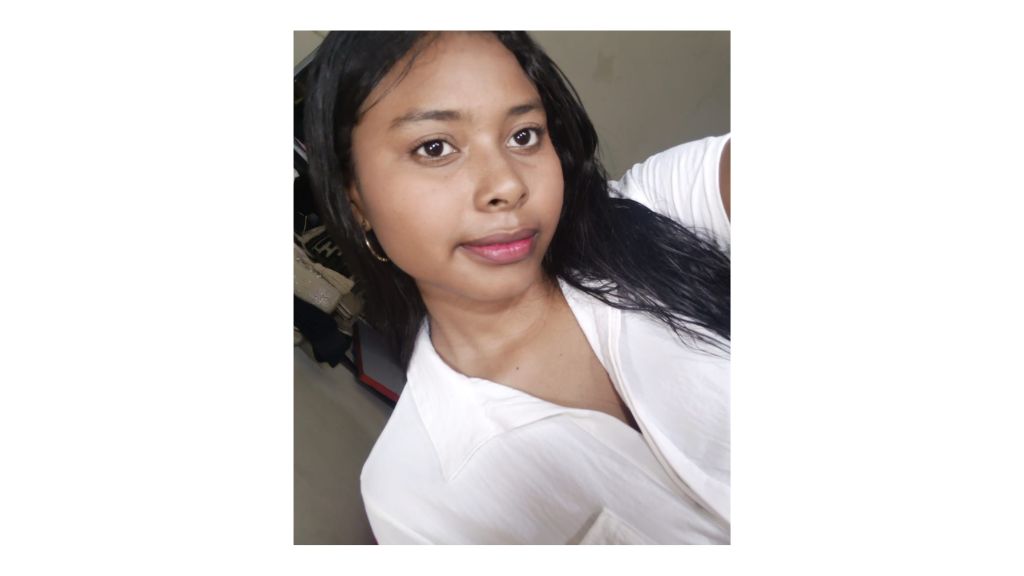
She started studying a technical degree in accounting at the Corporación Bolivariana del Norte. She has her first semester with excellent academic results 4.7 over 5.0.
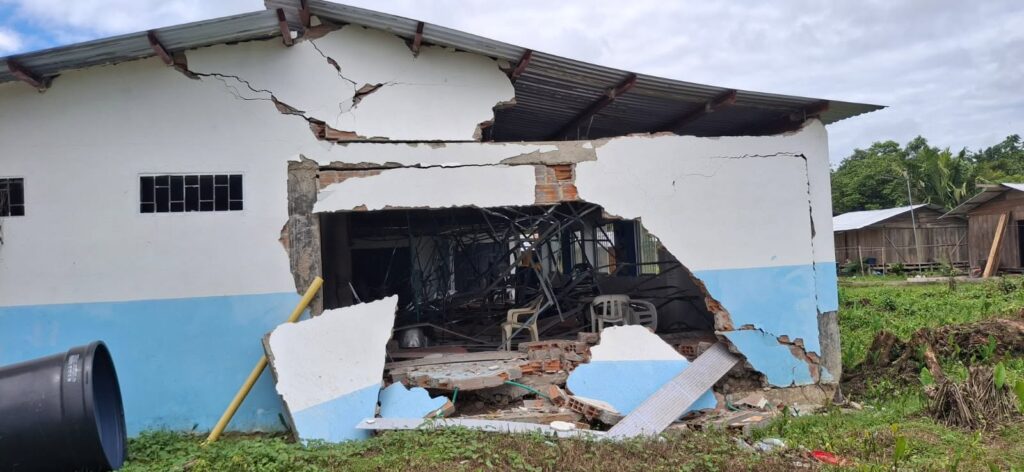
Due to the earthquake’s aftermath, widespread power outages and connectivity failures slowed the damage assessment. Most communities in the region remain without electricity, the majority reported partial or total loss of housing. Furthermore, several schools had sustained structural damage, and the shelters in Istmina had suffered partial damage.
Emergency Response to Earthquake Victims – October 2026 Update Read More »

The PISA results clearly raise concerns about how well education systems are preparing young people. At the same time, looking beyond the overall averages shows that educational performance is not distributed equally. This makes PISA particularly interesting not only as a measure of what students know, but also as a way of looking at inequalities in children’s opportunities to learn.
Chocó, which includes communities along the San Juan river basin and lies near the epicenter of the earthquake, is one of Colombia’s poorest and most historically marginalized departments, home to large Afro-Colombian and Indigenous communities who already faced significant gaps in infrastructure and access to services.
Emergency Response to Earthquake Victims – September 1 2026 Update Read More »